You finish your run feeling great. Or maybe you wrap up leg day thinking you crushed it. Then a few hours later, your knees start complaining. Sometimes it's just a dull ache. Other times it feels stiff enough that walking downstairs becomes its own workout.
If that sounds familiar, you're definitely not the only one.
Knee pain after running or hitting the gym is incredibly common. The good news is that it doesn't always mean something is seriously wrong. Most of the time, your body is simply asking for better recovery. The trick is knowing what actually helps instead of wasting time on methods that barely make a difference.
Let's go through recovery methods that people actually use, from simple habits to modern recovery tools that can get you moving comfortably again.
Why Do Your Knees Hurt After Exercise?
Your knees absorb a surprising amount of force every single day. During running, every step can put several times your body weight through the knee joint. Heavy squats, lunges, jumping exercises, and long hikes add even more stress.
Pain can happen because of:
- Tight muscles around the knee
- Inflammation after intense workouts
- Weak supporting muscles
- Overtraining without enough recovery
- Poor running or lifting form
- Old injuries becoming irritated again
None of these automatically mean you need to stop exercising forever. They usually mean your recovery routine needs some attention.
Don't Ignore Post Workout Knee Recovery
One mistake people make is treating recovery like an optional extra.
It's not.
Your muscles recover. Your joints need recovery too.
Proper post workout knee recovery helps reduce soreness, keeps inflammation under control, and lets your body repair itself before the next workout. Skip recovery long enough, and those little aches can slowly become something much more frustrating.
Recovery isn't about doing less. It's about helping your body stay ready for the next session.
Ice or Heat? The Answer Isn't Always Simple
People argue about this all the time.
Ice works well when the knee feels swollen or you've just finished an intense workout. It helps calm inflammation during the first day.
Heat works better when stiffness is the problem. Warm muscles move better. Blood flow improves. Tight tissues relax.
That's exactly why many athletes now prefer a best knee massager with heat instead of relying only on ice packs. Heat combined with gentle massage often feels more comfortable once the initial swelling settles.
Compression Makes a Bigger Difference Than Most People Think
Compression isn't just for elite athletes.
Gentle compression supports the joint, encourages circulation, and may help reduce that heavy feeling many people notice after long runs or intense gym sessions.
Many newer knee massagers combine adjustable compression with heat therapy, making recovery much easier than juggling multiple products.
Instead of wrapping your knee with bandages, you can simply sit back and let the device do the work.
Massage Speeds Up Recovery
Massage has always been part of sports recovery.
The difference today is convenience.
You don't need to book appointments every week. A quality leg knee massager gives consistent pressure around the joint whenever you need it.
Massage can help:
- Relax tight muscles
- Improve circulation
- Reduce stiffness
- Encourage mobility
- Make recovery sessions more enjoyable
It's not magic. But when used consistently, it becomes one of the easiest recovery habits to stick with.
Why Heat Therapy Feels So Effective
Heat isn't only about comfort.
Warm tissues become more flexible. Blood vessels open slightly, allowing oxygen and nutrients to reach tired muscles more efficiently. That can leave your knees feeling looser after tough training days.
Many athletes now look specifically for the best knee heat massager because it combines warmth with massage in one simple session.
Instead of lying around waiting for soreness to disappear, you're actively helping the recovery process.
Recovery Is More Than Just Rest
Rest matters.
But active recovery usually works even better.
Simple activities like walking, stretching, light cycling, or gentle mobility exercises help keep blood moving through the joint without adding excessive stress.
Pair these habits with hydration, quality sleep, and proper nutrition, and your knees often recover much faster.
Think of recovery as a full system rather than one single solution.
A Smarter Way to Recover at Home
Professional recovery equipment used to be available only in sports clinics.
That's changed.
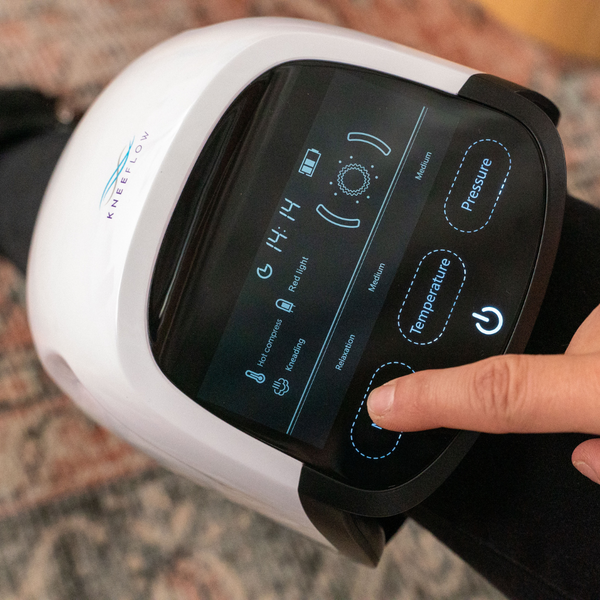
Devices like Kneeflow bring multiple recovery techniques together in one portable unit.
Instead of choosing between heat, massage, or infrared therapy, Kneeflow combines all three into one customizable 15-minute session.
Its therapy includes:
- Infrared light to support circulation
- Adjustable heat therapy
- Soft airbag compression massage
- Full knee coverage
- Three heating levels
- Lightweight cordless design
- Automatic safety shut-off
For people dealing with frequent gym soreness, running recovery, arthritis discomfort, or general joint stiffness, having everything in one device simply makes recovery easier to stay consistent with.

Want to learn more about how knee massage supports long-term joint health?
Check out our guide "10 Surprising Benefits of Using a Knee Massager for Joint Health and Mobility." It explains how regular massage, heat, and improved circulation work together to keep your knees moving comfortably.
Choosing the Best Knee Massager for Knee Pain
Not every recovery device is built the same.
When looking for the best knee massager for knee pain, pay attention to features instead of flashy marketing.
Look for:
- Heat therapy
- Adjustable compression
- Infrared technology
- Comfortable fit
- Portable design
- Easy controls
- Rechargeable battery
- Automatic timer
The goal isn't buying the most expensive device.
The goal is finding something you'll actually use several times each week.
Consistency beats fancy features every single time.
What Makes Kneeflow Different?
Kneeflow wasn't designed to be just another heating pad.
It combines three recovery methods in one device:
- Heat therapy to relax muscles
- Infrared light to improve circulation
- Gentle airbag massage for full knee coverage
Everything runs through a simple LCD touchscreen, and each session lasts about 15 minutes.
Whether you're recovering after leg day, dealing with post-run soreness, managing osteoarthritis, or trying to stay active as you get older, this combination makes recovery feel less like another chore.
Sometimes the hardest part about recovery is simply remembering to do it. A device that's quick, portable, and comfortable removes a lot of those excuses.
Recovery Habits That Actually Work Every Week
You don't need a complicated routine.
Most people see better results by sticking with a few simple habits.
Try this after demanding workouts:
- Stretch your quads, hamstrings, calves, and hips.
- Stay hydrated throughout the day.
- Eat enough protein to support muscle repair.
- Sleep at least seven to eight hours.
- Use heat and massage if stiffness develops.
- Avoid training through sharp pain.
- Include at least one active recovery day every week.
Small habits repeated consistently almost always outperform extreme recovery routines that last only a few days.
Final Thoughts
Your knees work hard every single day, especially if running, lifting weights, hiking, or sports are part of your routine. They deserve more than being ignored until the pain becomes impossible to overlook.
The right post workout knee recovery routine doesn't have to be complicated. Stretch regularly. Stay active. Give your body enough rest. And when soreness keeps coming back, using one of the best knee massage devices can make recovery faster and far more comfortable.
If you're looking for a reliable best knee massager with heat that combines infrared therapy, compression, and massage into one easy-to-use device, Kneeflow is worth considering.
Ready to give your knees the recovery they deserve?
Visit us and discover how Kneeflow can help you recover faster, move easier, and stay active without letting knee pain slow you down.
Frequently Asked Questions
1. What causes knee pain after running or an intense gym workout?
Knee pain after exercise usually happens because the joint has been placed under repeated stress without enough recovery time. Running, jumping, squats, and heavy leg exercises can irritate the muscles, tendons, or cartilage around the knee, especially if your form isn't perfect. In many cases, the discomfort is temporary and improves with proper post workout knee recovery, stretching, hydration, and rest. If the pain becomes severe, lasts several weeks, or is accompanied by swelling or instability, it's best to consult a healthcare professional.
2. What is the best post workout knee recovery routine?
A good recovery routine doesn't need to be complicated, but it should be consistent. Start with gentle stretching, drink enough water, eat a balanced meal with protein, and avoid putting too much stress on your knees for the rest of the day. Many people also use heat therapy and massage to reduce stiffness and improve circulation. Following these habits after every workout helps your knees recover more efficiently and prepares them for your next training session.
3. How does the best knee massager for knee pain actually help?
The best knee massager for knee pain combines different recovery methods instead of relying on just one. Massage helps loosen tight muscles around the knee while heat encourages better blood circulation and relaxation. Some advanced devices also include infrared light therapy, which supports the body's natural healing process. Using a knee massager regularly can reduce stiffness, improve comfort, and make everyday movement feel easier after physical activity.
4. Is a knee massager better than using an ice pack?
Both have their place depending on your symptoms. Ice is generally useful immediately after an injury or when the knee is swollen because it helps reduce inflammation. A knee massager, especially one with heat, becomes more helpful once swelling has settled and stiffness is the main issue. Many people include both methods in their recovery routine instead of choosing one over the other, allowing them to recover more effectively after exercise.
5. Why should I choose the best knee massager with heat?
Heat therapy helps relax muscles, improve flexibility, and increase blood flow around the knee joint. When combined with massage, the effects often feel much more noticeable than using heat alone. The best knee massager with heat provides controlled warmth together with gentle compression, helping tired muscles recover after workouts while making stiff joints feel more comfortable. It's a convenient option for people who experience recurring soreness from running or gym training.
6. Can knee massagers help people who don't play sports?
Absolutely. While athletes often use knee massagers for recovery, they can also benefit people with desk jobs, older adults, individuals with arthritis, or anyone dealing with everyday knee stiffness. Sitting for long periods can tighten muscles and reduce circulation around the knee joint. Regular massage sessions combined with heat therapy may help improve mobility, reduce discomfort, and support better joint health even if you don't exercise frequently.
7. How often should I use a leg knee massager?
Most people can safely use a leg knee massager once or twice daily, depending on their comfort level and the manufacturer's recommendations. A typical session lasts around 15 to 20 minutes, which is usually enough to experience the benefits without overdoing it. Consistent use often produces better results than using the device only when pain becomes severe. If you have a medical condition or recent surgery, always follow your healthcare provider's advice.
8. What features should I look for in the best knee heat massager?
A quality best knee heat massager should offer adjustable heat settings, comfortable compression, secure straps, and simple controls that are easy to operate. Many people also prefer models that include infrared therapy because it complements heat and massage by promoting healthy circulation. A rechargeable battery, lightweight design, and automatic shut-off feature also make daily use much more convenient, especially if you plan to use it regularly after workouts.
9. Can a knee massager replace physical therapy?
A knee massager is designed to complement your recovery routine rather than replace professional treatment. If you're recovering from surgery, a serious injury, or a diagnosed medical condition, physical therapy remains extremely important. However, using a knee massager between therapy sessions can help reduce stiffness, improve comfort, and support daily recovery. Many people find that combining both approaches provides the best overall results.
10. Is Kneeflow different from other knee massagers?
Kneeflow combines three recovery technologies into one portable device, including infrared light therapy, adjustable heat, and soft airbag massage. Instead of purchasing separate products for compression, heating, and massage, everything works together during a customizable 15-minute session. Its cordless design, adjustable settings, and full knee coverage make it suitable for athletes, active adults, and individuals managing ongoing knee discomfort at home.
11. Can regular knee massage improve mobility over time?
Yes, regular best knee massage sessions may help improve flexibility and movement when combined with stretching and exercise. Massage encourages better circulation, reduces muscle tightness, and helps joints move more comfortably throughout the day. While results vary from person to person, consistency usually produces noticeable improvements over several weeks. It works particularly well as part of a complete recovery and mobility routine rather than as a standalone solution.
12. Is it safe to use a knee massager every day?
For most healthy adults, daily use is considered safe when following the manufacturer's instructions. Short sessions using moderate heat and massage settings are generally well tolerated and can become part of a regular recovery routine. However, people with recent injuries, infections, blood clotting disorders, or certain medical conditions should speak with their healthcare provider before beginning daily therapy. Using the device responsibly helps maximize benefits while minimizing potential risks.
13. Where can I find the best knee massager for knee pain?
If you're searching for a recovery device that combines heat therapy, infrared light, and gentle airbag compression, Kneeflow is one of the most complete options available. It's designed for post workout knee recovery, arthritis-related discomfort, general stiffness, and everyday joint care. You can learn more about its features or order directly by visiting Kneeflow and exploring the available therapy options.