Getting older brings a lot of wisdom, but let’s be honest, it also brings a lot of random body aches. Among the biggest complaints I hear from older folks, and I deal with it myself after a long day, is that deep, stubborn knee pain. It’s the kind of ache that makes you think twice about getting off the couch or makes climbing a flight of stairs feel like conquering Mt. Everest.
When your knees hurt, your whole world shrinks. You start skipping the morning walks, you avoid gardening, and you just sit more. But letting your joints rust out isn’t the only option left. Let’s break down why senior knees act up so much, what symptoms you shouldn’t ignore, and how tools like a modern knee massager for pain relief can actually get you moving again without relying entirely on a bottle of pills.
Why Do Senior Knees Hurt So Much Anyway?
It helps to look at the root causes before we talk about fixing it. The human knee is a complicated piece of machinery. It carries your whole body weight, absorbs shock, and bends thousands of times a day. By the time someone reaches their 60s or 70s, those parts have done a massive amount of mileage.
1. Osteoarthritis (The "Wear and Tear" Enemy)
This is the big one. Osteoarthritis happens when the slippery cartilage that cushions the ends of your bones wears away. Without that padding, bone grinds on bone. It feels exactly as unpleasant as it sounds, causing a dull, constant ache that gets sharper when you move.
2. Chronic Inflammation and Swelling
As cartilage degrades, the joint gets irritated. The body tries to protect itself by sending fluid to the area, but too much fluid creates a tight, stiff feeling. This makes it incredibly hard to fully straighten or bend your leg.
3. Old Injuries Rearing Their Ugly Heads
That old sports injury from your thirties or a bad twist from a decade ago loves to return later in life. Even if an ACL or meniscus tear healed back then, the joint structure was permanently altered, making it a prime target for accelerated aging and stiffness.
Recognizing the Symptoms: More Than Just an Ache
Knee issues in older adults don’t always look the same. Sometimes it's a sharp pinch; other times it’s a heavy numbness. Knowing what you are dealing with helps you choose the right relief method.
- Morning Stiffness: If you wake up and your legs feel like literal blocks of wood for the first 30 minutes, your joint fluid has settled and dried up overnight.
- Cracking and Grinding: Hearing a crunching sound (crepitus) when you crouch down or stand up usually means the smooth cartilage surface is gone.
- Instability or "Giving Way": Feeling like your knee might collapse underneath you is scary, and it usually happens because the surrounding muscles have weakened from lack of use.
Fast Relief Methods: From Clinics to Your Living Room
When a flare-up hits, you want relief fast. Waiting weeks for an appointment isn't an option when you can barely walk to the kitchen. Luckily, a mix of clinical care and home gadgets can change things quickly.
Physiotherapy for Knee Pain
Going to a physical therapist is incredibly smart. Physiotherapy for knee pain focuses on strengthening the quadriceps and hamstrings, the muscles that support your knee joint. If those muscles are strong, they take the weight off the bone. The downside? It’s expensive, requires driving out to appointments, and you only get it a couple of times a week.
The Rise of the Vibration + Heat Therapy Machine
Because going to physical therapy every day is unrealistic for most seniors, home-care devices have completely changed the game. A dedicated vibration + heat therapy machine designed specifically for joints can mimic some of the top techniques used in clinics.
Instead of just slapping a regular ice pack or a standard heating pad on your leg, these advanced devices wrap entirely around the joint. They combine deep tissue vibration to confuse your pain receptors with therapeutic heat to loosen up tight ligaments instantly.
How a Knee Massager Works Its Magic At Home
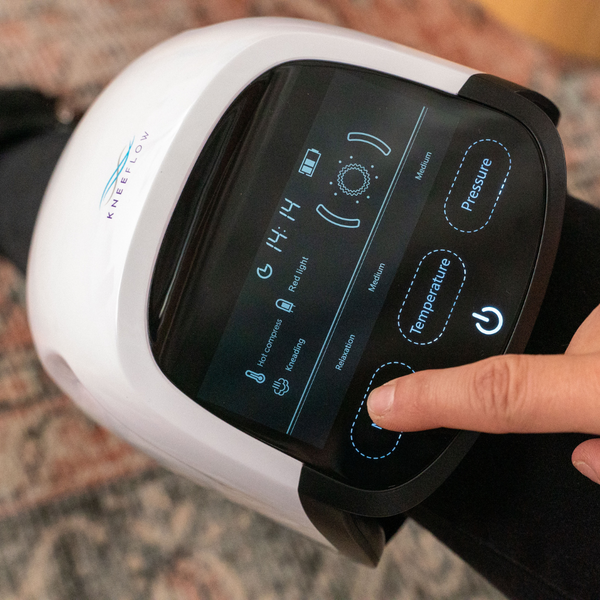
If you have never tried a specialized knee and leg massager, the concept might sound a bit gimmicky. But the science behind them is actually pretty straightforward. Devices like the Kneeflow use a three-pronged approach to attack joint discomfort from multiple angles at once.
When these elements combine, you get an immediate drop in discomfort. The infrared light goes deep into the cartilage tissue to stimulate cell repair, while the heat expands blood vessels to bring in fresh, oxygen-rich blood. Simultaneously, soft airbags inflate and deflate, creating a compression wave that coaxes trapped fluid out of the swollen joint. It’s like giving your knees a fresh oil change right on your couch.
To understand how these targeted devices can completely transform your daily mobility and prevent long-term joint degradation, check out this guide on the 10 Surprising Benefits of Using a Knee Massager for Joint Health and Mobility.

Why Upgrading to a Knee Massager Beats Standard Ice or Heat
For decades, the standard advice was to alternate ice packs and heating pads. While that helps a little bit superficially, it doesn't do much for deep joint pain. A premium knee massager offers several distinct advantages:
- True 360-Degree Coverage: Regular heat pads lay flat on top of your kneecap, leaving the sides and back of your joint completely cold. A proper wrap contours to the whole joint, making sure the therapeutic warmth hits every single ligament.
- Encouraging Synovial Fluid Production: Your joints need a natural lubricant called synovial fluid to move smoothly. The rhythmic compression of a machine stimulates the joint membrane to produce this fluid, naturally greasing the wheels, so to speak.
- Independence and Convenience: You don’t have to wait for someone to drive you to a massage appointment or a physio clinic. You just strap the cordless device on while watching TV, run a 15-minute cycle, and stand up with significantly less stiffness.
If you are tired of letting stubborn aches dictate your day and want to invest in professional-grade recovery at home, you can find the absolute best massager options directly over at Kneeflow.
Simple Habits to Pair with Your Massage Routine
Using a device is fantastic, but you’ll get much longer-lasting results if you pair it with a few simple daily habits.
- Low-Impact Movement: Avoid high-impact running, but try to swim, use a stationary bike, or take short walks. Movement keeps the joint from freezing up permanently.
- Pre-Massage Manual Strokes: Before strapping on your machine, take five minutes to use your thumbs to gently massage around your kneecap. This warms up the surface tissue and gets the blood moving so the machine can do its job even deeper.
- Keep It Consistent: Doing a session once a month won't cut it. Think of it like brushing your teeth: short, daily 15-minute sessions with your machine are what build up joint flexibility over time.
The Takeaway
Knee pain doesn't have to be an accepted, miserable tax you pay for getting older. While you can't magically give yourself the cartilage of a 20-year-old, you can absolutely control how stiff, swollen, and painful your joints feel on a daily basis. By combining targeted movement, proper hydration, and the regular use of a high-quality knee massager for pain relief, you can keep doing the things you actually love.
Don't let stiff joints keep you trapped on the couch this season. Take charge of your physical comfort and rediscover your freedom of movement today by checking out the specialized recovery gear available over at Kneeflow.
Frequently Asked Questions
Can a knee massager actually help with severe senior osteoarthritis pain?
Yes, a high-quality massager can provide significant relief for osteoarthritis sufferers by addressing the surrounding muscle tension and poor circulation that makes the arthritis feel worse. The combination of heat and deep vibration helps to soothe irritated bone-on-bone friction areas while stimulating the body to release its own natural pain-killing endorphins. Regular use won't regrow your lost cartilage, but it can drastically reduce daily inflammation and give you a much wider, pain-free range of motion during your usual household tasks.
Is it safe to use a vibration + heat therapy machine every single day?
For the vast majority of seniors, using these therapeutic machines on a daily basis is completely safe and actually highly recommended for chronic conditions. Most advanced devices come with built-in automatic shut-off timers that cut the power after 15 minutes to guarantee you never accidentally overheat or over-stimulate the sensitive skin and joint tissues. However, if you have an active skin infection, deep vein thrombosis, or a fresh bone fracture, you must hold off and get clearance from your personal physician first.
How does physiotherapy for knee pain compare to using a home massager?
Physiotherapy is fantastic for building up the stabilizer muscles around the joint through specific, guided exercises that improve your balance and long-term leg strength over several months. A home massager doesn't build muscle, but it provides instant, on-demand pain relief and flushes out morning stiffness whenever you need it without requiring a trip to a clinic. Utilizing both methods together is the ultimate strategy because the massager relaxes your stiff joints at home, making it much easier to perform your physical therapy exercises without agonizing pain.
Will a knee and leg massager help reduce swelling after a long walking trip?
Absolutely, because the rhythmic inflation and deflation of the air compression bags inside the device act like a gentle pump for your circulatory system. When fluid pools inside an older joint after long periods of standing, it creates a tight, heavy sensation that makes bending your leg painful and difficult. The compression waves physically push that trapped fluid out of the joint space and back into your regular circulatory system, which noticeably drops the visible swelling within a single session.
Can these massager devices be used on other parts of the body, like the shoulders?
Yes, many modern knee therapy devices are designed with flexible, highly adjustable Velcro straps that allow them to contour perfectly to other rounded joints like shoulders and elbows. The combination of deep infrared heat and targeted compression works exactly the same way on a stiff shoulder capsule as it does on a creaky knee joint. If you suffer from multi-joint stiffness due to general aging or systemic arthritis, having a versatile wrap device provides a lot of extra value for your money.
Why is infrared light therapy included in modern joint massage tools?
Regular heat only warms up the very top layer of your skin, which feels nice but doesn't actually reach the deep ligaments and bone surfaces where arthritis lives. Infrared light uses specific light wavelengths that can safely penetrate several centimeters deep directly into the internal structure of the joint to heal damaged tissues at a cellular level. This deep penetration kicks your cellular repair mechanisms into overdrive and helps permanently reduce the chronic, deep-seated inflammation that simple heating pads can't reach.
How long does it usually take to feel a difference from a massager session?
Most users notice a major difference in how loose and comfortable their joint feels within the very first 15-minute therapy session. The thermal heat instantly relaxes the tight, guarding muscles around your kneecap, while the vibration overrides the painful stress signals being sent up to your brain. You will likely notice that standing up from your favorite low couch or walking down the hallway immediately after a session feels much smoother and less restricted.
Can I use a knee massager if I have had a total knee replacement surgery?
If you have had a total joint replacement, you must wait until your surgical incision is completely healed and your orthopedic surgeon gives you the explicit green light. Once you are fully cleared for general massage, using the heat and gentle compression features can be highly beneficial for breaking up tough post-surgical scar tissue. However, you should always start out on the absolute lowest vibration and compression settings to see how your artificial joint handles the mechanical stimulation.
What is synovial fluid, and why does knee massage help produce more of it?
Synovial fluid is the thick, slippery liquid that lives inside your joint capsules to lubricate your bones and prevent them from scraping against each other during movement. When seniors sit still for too long, the production of this natural lubricant slows down drastically, causing that classic, heavy "rusted shut" feeling in the morning. The deep kneading action of an automated massager tricks the joint capsule into thinking the body is actively walking, which triggers the membrane to secrete fresh fluid.
Are these automated home massager devices heavy or difficult for seniors to operate?
The best modern joint massagers are specifically designed with older adults in mind, meaning they are lightweight, cordless, and weigh well under two pounds, so they won't strain weak hands. They feature simple, high-contrast LCD touchscreens with big buttons so you don't have to fiddle with complicated settings or tiny, confusing remote controls. You just wrap the strap around your leg, press the power icon, select your preferred warmth level, and let the device handle the rest.
How does cold therapy compare to heat therapy for chronic senior joint issues?
Cold therapy using ice packs is excellent for sudden, acute injuries like a freshly sprained ligament because it constricts blood vessels to stop rapid swelling and numb sharp stabs. However, for chronic, long-term senior stiffness and osteoarthritis, cold can actually cause the surrounding muscles to tighten up further and increase your overall stiffness. Deep heat therapy is much better for daily maintenance because it relaxes stiff tissues, expands blood vessels, and invites healing nutrients into the chronically starved joint area.
Can using a knee massager reduce my daily dependence on over-the-counter NSAID painkillers?
Many seniors report that incorporating regular, automated joint massage into their daily routine allows them to safely cut back on daily doses of ibuprofen or acetaminophen. Because the device handles pain and stiffness naturally through improved circulation and endorphin stimulation, you don't have to rely purely on chemical relief to get through the day. This is a massive health benefit for older adults, as heavy, long-term use of oral painkillers can frequently cause stomach issues, ulcers, and unwanted liver strain.
What should I do if a specific massager setting starts to feel uncomfortable or hurts?
You should instantly stop the session using the quick-power button and loosen the Velcro straps to immediately relieve any uncomfortable pressure on your leg. Everyone's pain tolerance and skin sensitivity level is vastly different, so a setting that feels incredibly gentle to one person might feel a bit intense or overly warm to someone else. Always start your very first week of treatment on the lowest possible intensity settings, and only increase the heat and compression once your body gets fully accustomed to the device.