
If you’ve been battling knee pain for a while, especially the stubborn kind that comes with arthritis, you’ve probably tried everything: balms, braces, heat pads, medications that upset your stomach… the whole list. And somewhere in that search, you must’ve stumbled onto the idea of knee massagers. Maybe you even Googled best heated knee massager or massager for arthritic knees, hoping for a miracle gadget that doesn’t cost a fortune or require endless doctor visits.
And honestly? You’re not alone. Knee pain, particularly arthritis pain, has a way of creeping into your everyday life. It slows your mornings, messes with your mood, and just makes simple things like climbing stairs or sitting on the floor feel like a full-on challenge. So finding something that actually helps, something you can use at home without fuss, becomes a big deal.
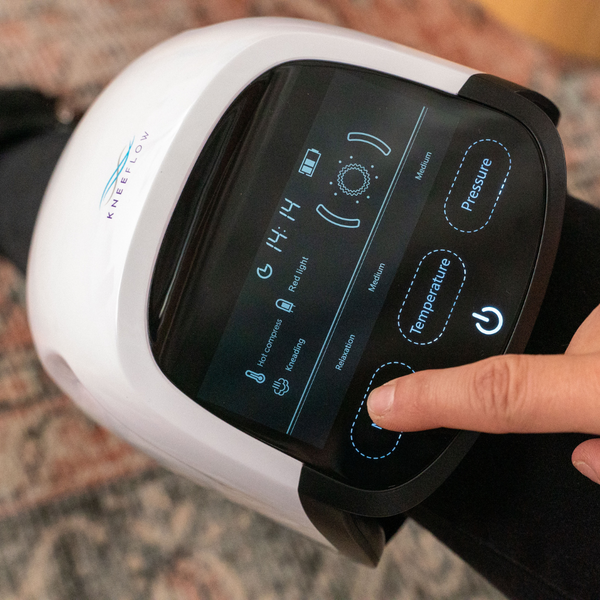
That’s where knee massagers started gaining attention. But the real hero in this space, especially based on design, comfort, and actual customer stories, is something called Kneeflow, a device that’s trying to give people a break from the never-ending cycle of knee pain.
Before we get into the buying guide, let’s talk about why knee massagers are becoming so popular and how the right device can genuinely help with arthritis pain.
Why Knee Massagers Are Suddenly So Popular
Arthritis pain isn’t like regular soreness. It lingers. It tightens up the joint. Some days it feels warm and swollen, and other days it's this dull, annoying ache that refuses to leave. Over time, people realize the problem isn't just pain, it’s inflammation, stiffness, weak blood flow, and the muscles compensating around the joint.
A good knee massager basically tackles these issues one by one:
- heat eases stiff joints
- Massage relaxes the surrounding muscles
- Infrared light supports circulation and inflammation relief
- Airbags give that “full knee coverage” that plain heat pads can’t
- And when the settings are customizable, you get to adjust them based on comfort
So, yes, knee massagers aren’t just internet hype. When designed right, they actually help.
What Exactly Is Kneeflow?
Kneeflow calls itself a personalized home therapy solution. Sounds fancy, but at its core, it’s meant for people with:
- arthritis
- tendonitis
- meniscus tears
- ACL/MCL injuries
- workout fatigue
- general age-related stiffness
Instead of being just a “warm knee wrap,” it’s a 3-in-1 therapy device combining:
- infrared light (for blood flow + inflammation relief)
- heat therapy (to relax muscles and reduce pain)
- airbag massage (gentle kneading that targets deep stiffness)
And the big thing?
You can customize everything: heat level, massage intensity, and kneading mode.
Use it at home. Use it at work. Use it before bed or after a long walk. No cords everywhere, no complicated instructions, no “I need someone else to help me wear it.” It’s portable, lightweight, and fuss-free.
It’s honestly the kind of device you buy once and then wonder why you didn’t buy it earlier.
How Kneeflow Works
- You strap it around your knee.
- Choose your mode: Relax, Recover, or Repair.
- Sit back for 15 minutes while it does its thing.
Here’s what’s happening under the hood:
1. Infrared Light Therapy
This isn’t just a red glow for show. Infrared goes deeper than basic heat pads ever could. It penetrates the tissues and helps:
- increase blood flow
- reduce inflammation
- support healing of ligaments and cartilage
2. Heat Therapy
Three levels of heat: 45°C, 50°C, 55°C.
Enough to loosen stiffness without burning you.
Heat does wonders for arthritic knees. It improves mobility almost instantly.
3. Soft Airbag Massage
This might be everyone’s favorite part.
The airbags inflate and deflate gently, giving a kneading effect that covers the entire knee (front, sides, a bit around the back too).
This helps with:
- muscle tension
- post-workout soreness
- stiffness after sitting
- that “locking up” sensation arthritis causes
And because it’s fully adjustable, you don’t feel overpowered.
Why Kneeflow Works Better Than Standard Knee Wraps
Not all massager for arthritic knees are built the same. Some simply vibrate. Others warm a little but don’t offer full coverage. Kneeflow’s strength is the combination therapy.
Here’s why it’s effective:
Complete knee coverage (not just the front): The airbags wrap around to give 360° support.
Infrared + Heat + Massage in one session: Most devices offer one. Maybe two if you're lucky. Kneeflow packs all three.
Smart 15-minute auto shutoff: Prevents overheating and keeps things safe.
Lightweight & cordless: Just 790g, easy to carry anywhere.
Adjustable strap: You can even use it on your shoulders or elbows.
Designed for long-term relief: Not just “feel good for five minutes.” Actual relief that sticks with consistent use.
Who Should Use It?
Kneeflow is especially helpful for:
- Osteoarthritis
- Rheumatoid arthritis stiffness
- Meniscus injuries
- ACL/MCL recovery
- Sports strain
- People who walk a lot
- Aging knees that hurt in winter
- Anyone tired of relying on painkillers
If your mornings start slow because your knees need a “warm-up,” this device was literally made for you.

Buying Guide: Choosing the Best Knee Massager for Arthritis
If you’re comparing products and not sure how to pick the right one, here are the key things to check:
1. Heating Levels
For arthritic knees, customizable heat settings are important. Kneeflow offers:
- low (45°C)
- medium (50°C)
- high (55°C)
Heat loosens stiff joints, so this is a must-have.
2. Infrared Light Therapy
Not all knee massagers offer this.
It’s a game-changer for inflammation.
Kneeflow has 19 infrared lights built in.
3. Massage Modes
You want airbags, not just vibration. Airbags give that deep compression relief.
Kneeflow uses soft airbags for gentle pressure, not harsh pounding.
4. Battery Life
Look for rechargeable, lightweight designs.
Kneeflow uses a 2200mAh battery, which lasts multiple sessions easily.
5. Portability
Heavier models end up sitting in cupboards.
Kneeflow weighs 790g genuinely portable.
6. Safety Features
Auto shutoff, stable heat control, and overheating sensors are essential.
Kneeflow has all three.
7. Warranty & Guarantee
You deserve peace of mind. Always check this when buying.
Kneeflow offers:
- 1-year replacement warranty
- 30-day money-back guarantee
Safety Tips: Using Knee Massagers the Right Way
Knee massagers are great until you push them too hard. A lot of people think more pressure, more heat, more minutes equals faster relief. But with arthritis or chronic knee pain, that’s not how it works. You want comfort, not a flare-up. So here are some simple, real-world tips to make sure you're actually helping your knees, not irritating them.
Start slow
Don’t jump straight to the highest heat or strongest compression. Give your knee a chance to adjust. Begin with low heat or the lightest pressure setting and let your body tell you what feels right. If it feels good, you can slowly build up.
Stick to 15–20 minutes
A lot of people think longer sessions will magically speed up healing. They don’t. Beyond 20 minutes, your knee can get overstimulated, especially if you have arthritis. Short, consistent sessions work better and are much safer.
Avoid using on open wounds or swollen flare-ups
If your knee is visibly swollen, hot to the touch, bruised, or injured, skip the massager for now. Using heat or pressure during an active flare-up can make inflammation worse. Let the swelling settle first.
Keep consistent
Using a knee massager once in a while won’t do much. But daily or every-other-day sessions? That’s when you start noticing a real difference. Think “routine,” not “random.”
Pair with movement
Massage works even better when you mix in some gentle stretching or light mobility work. Something simple, such as knee bends, quad stretches, or calf loosening, helps boost circulation and makes the massage more effective.
Real People, Real Relief
Athletes, therapists, weekend hikers, and arthritis sufferers all say the same thing it helps.
From UFC fighters to regular users with knee stiffness, Kneeflow has been tested, backed, and endorsed by people who put their knees through a lot more strain than most of us do.
Rated 4.9/5 by 12,960+ customers, it’s clearly doing something right.
If you want to dive deeper or grab one for yourself.
Final Thoughts
Living with arthritis pain is tough. It’s exhausting, sometimes discouraging, and honestly… people who don’t have it don’t really get how draining it can be. But the right tools can make a huge difference.
A good knee massager doesn’t “cure” arthritis. Let’s be real.
But it reduces pain, warms up stiff joints, improves mobility, and just overall makes life easier.
And if you’re already thinking about trying one, Kneeflow is genuinely one of the smartest options out there, simple, effective, and built for real knee problems, not just light soreness.
Take charge of your knee health today.
FAQs
1. Are knee massagers actually good for arthritis?
Yes. A good knee massager reduces stiffness, inflammation, and pain by improving blood flow and relaxing tight muscles. The heat and infrared therapy provide extra relief for arthritic knees.
2. What are the benefits of using a knee massager daily?
Daily use can help lower inflammation, improve mobility, reduce morning stiffness, and ease tension around the joint. Many people feel looser and more comfortable throughout the day.
3. Is vibration good for knee arthritis?
Gentle vibration can help improve circulation and reduce stiffness. Too much vibration, though, isn’t ideal. Devices like Kneeflow use airbag compression, which is gentler and safer.
4. How long should I use a knee massager?
Stick to 15–20 minutes per session. Kneeflow automatically shuts off at 15 minutes, which keeps things safe.
5. Can heated knee massagers be used during flare-ups?
During severe swelling or acute flare-ups, it’s best to avoid heat until the inflammation settles. For regular stiffness and chronic pain, heat works beautifully.