A good knee massager buying guide should make the decision feel clearer, not more complicated. Many devices look similar online, especially when they mention heat, vibration, red light support, or pain relief. The real question is whether the product fits the way your knee actually feels in daily life.
Knee discomfort can come from stiffness, overuse, arthritis-related sensitivity, long sitting, exercise, or general tension around the joint. That means the best device is not always the one with the most features. It is the one that feels safe, comfortable, easy to use, and realistic enough to become part of your routine.
At Flow Knee, we believe a knee massager should support comfort without making big medical promises. It should help the knee feel cared for, not replace a diagnosis, treatment plan, or professional guidance when symptoms need attention.
1. Check the Type of Massage First
Massage style matters because the knee can be sensitive. Some devices rely on vibration, while others use airbag pressure, kneading, or a softer wraparound sensation. A stronger feeling is not always better, especially if the knee feels stiff, tender, or irritated.
For many people, a gentler massage style is easier to trust. It can help the area around the knee feel less tense without making the joint feel overwhelmed. That matters most for people who want daily support rather than occasional intense stimulation.
The National Center for Complementary and Integrative Health notes that research on massage therapy for knee osteoarthritis is limited, but some studies suggest short-term pain relief benefits. That makes massage worth considering as supportive comfort, while keeping expectations realistic.
2. Look for Heat That Feels Controlled
Heat is one of the most common features in knee massagers, and for good reason. Warmth can help a stiff knee feel more relaxed, especially when discomfort feels achy rather than sharp. But heat should be controlled, adjustable, and comfortable.
A good heated knee massager should offer settings that let users avoid overheating. The goal is not intense heat. The goal is steady warmth that helps the knee feel easier to move and less guarded during rest.
Mayo Clinic notes that heat therapy can temporarily relieve arthritis pain, but it also warns people to avoid burns and limit heating pad use to safe session lengths. That kind of caution matters when comparing any heated device.
3. Make Sure the Device Actually Fits the Knee
The knee is not flat, so fit matters more than many shoppers realize. A general heating pad or massage tool may touch the area, but it may not stay positioned well around the joint. A knee-specific device should wrap comfortably and feel stable without being too tight.
Poor fit can make a device annoying to use. It may slide, press in the wrong place, or make the person adjust it constantly. When that happens, even a product with strong features can become frustrating.
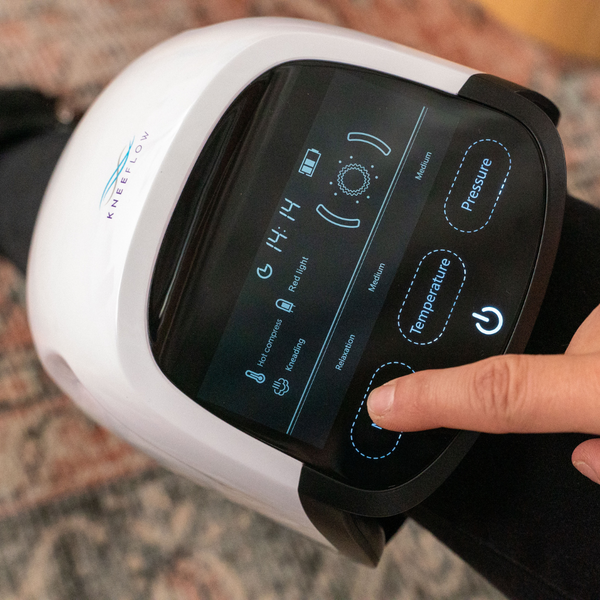
The better option is usually a device designed around knee coverage. The Kneeflow heated knee massager combines heat, red light support, and soft airbag massage in a wraparound format made specifically for knee comfort.
4. Compare Ease of Use, Not Just Features
A device can look impressive and still be hard to use every day. If it takes too long to set up, has confusing controls, or feels inconvenient, it may end up sitting unused. Daily comfort depends on repeatability.
That is why simple controls, clear modes, and a comfortable session length matter. A knee massager should feel easy to return to after work, after activity, or during a quiet evening at home. It should not feel like another task.
The best buying decision often comes down to lifestyle fit. A device that feels natural to use three or four times a week may be more valuable than one with extra features that feel too complicated to manage.
5. Check Portability and Charging
Portability matters because knee discomfort does not always happen near an outlet. Some people want to use a knee massager while sitting on the couch, resting in bed, working at a desk, or taking it on a trip. A corded or bulky device can limit that flexibility.
A portable knee massager should feel light enough to handle comfortably and practical enough to move around the home. A rechargeable design can also make the routine easier because the user is not forced into one specific location.
This is especially important for people who want knee support to feel consistent. The easier the device is to place, charge, and use, the more likely it is to become part of a real comfort routine.
6. Review Safety Features Carefully
Safety should be one of the first things you check before buying any heated knee massager. Auto shutoff, adjustable heat, clear usage guidance, and comfortable pressure all matter. These features help prevent overuse and make the device easier to trust.
A knee massager should not be used to push through severe pain, sudden swelling, redness, warmth, instability, locking, or pain after an injury. Those symptoms need more caution and may require medical attention before home support makes sense.
This is where buyer judgment matters. A good device supports mild stiffness, tension, and everyday discomfort. It should never encourage someone to ignore symptoms that feel unusual, intense, or worsening.
7. Look at Support, Warranty, and Brand Clarity
Buying a knee massager is not only about the device. It is also about the company behind it. Clear product information, accessible support, and a reasonable return or warranty policy can make the purchase feel less uncertain.
This matters because people buying knee comfort products are often dealing with discomfort already. They do not need vague claims or confusing instructions. They need a brand that explains what the product is for, what it is not for, and how to ask questions.
If you are unsure whether a knee massager fits your routine, you can contact Flow Knee before deciding. The right product should feel clear before it ever becomes part of your daily support.
The Right Knee Massager Should Feel Easy to Return To
A knee massager should not win your trust through dramatic claims. It should earn trust by feeling comfortable, controlled, and useful in ordinary moments. That might mean after sitting too long, after walking, after exercise, or during an evening when the knee feels stiff.
The strongest choice is usually the one that fits your real life. Heat, massage style, fit, portability, safety, and support all matter because they shape whether the device becomes something you actually use.
At Flow Knee, the goal is simple: make knee support feel easier to repeat. If you want warmth, gentle massage-based comfort, and a knee-specific design, Kneeflow is a practical place to start.
FAQ
What should I look for in a knee massager?
Look for controlled heat, gentle massage, knee-specific fit, easy controls, portability, safety features, and clear brand support.
Are heated knee massagers safe?
They can be safe when used carefully, but severe pain, swelling, injury, or unusual symptoms should be checked by a clinician.
Is vibration or airbag massage better for knees?
It depends on comfort. Airbag massage may feel gentler, while vibration can feel stronger and more direct.
Can a knee massager help with arthritis stiffness?
A knee massager may support stiffness and comfort, but it should not replace arthritis treatment or medical advice.
Is Kneeflow good for daily use?
Yes. Kneeflow is designed for repeatable daily knee comfort with heat, red light support, and soft airbag massage.