Athletes usually notice knee strain before they call it a problem. It shows up as tightness after training, discomfort during stairs, a heavier feeling after leg day, or the sense that the joint is not recovering as cleanly as it used to. That early stage is easy to dismiss because performance is still possible. The body is still moving. But the signals are there.
That is why knee care for athletes matters long before an injury changes the conversation. It is not only about treatment after something goes wrong. It is about how the knee is supported before and after effort, when the body is most vulnerable to accumulating stress. What separates steady performance from recurring setbacks is often not intensity, but the quality of recovery surrounding the work itself.
At Flow Knee, we believe knee care should feel like part of athletic discipline, not something athletes turn to only when discomfort becomes impossible to ignore. A useful protocol is not about overreacting to every sensation. It is about creating enough support around the knee that training stays more sustainable, movement feels more reliable, and recovery becomes part of performance itself.
Why Athletes Tend to Wait Too Long to Support the Knee
Athletes are used to discomfort. That mindset can be useful in training, but it can also blur the line between normal effort and accumulating stress. A knee that feels tight, reactive, or slower to recover does not always stop performance immediately, which is part of why the warning signs get rationalized instead of addressed.
The problem is that the knee rarely asks for attention in dramatic ways at first. It becomes more sensitive during warm-up, less responsive after hard sessions, or more hesitant under repeated load. These small shifts often feel manageable in isolation, but over time they can shape movement patterns and recovery quality in ways that make the joint more vulnerable.
Understanding this early stage differently changes the value of knee care. It stops feeling like something reserved for injury and starts feeling like a way to protect consistency. That is especially important for athletes because what disrupts progress is often not one major event, but repeated strain that never gets enough recovery support.
What Pre-Workout Knee Care Is Really Meant to Do
Pre-workout knee care is often misunderstood as a quick routine meant to “activate” the body in a vague or ritualistic way. In reality, its deeper purpose is to reduce the friction between the joint and the demands about to be placed on it. The knee performs better when the surrounding tissues feel more prepared, less tense, and more responsive before load begins.
That preparation matters because training asks the knee to absorb force, stabilize movement, and repeat patterns under pressure. When the joint starts cold, stiff, or guarded, the body tends to compensate in subtle ways. Those compensations may not feel dramatic in the moment, but they can shape how the workout loads the knee and how the knee feels afterward. The NIH overview of sports injuries reinforces how repetitive athletic demands can build stress in joints and surrounding structures over time.
A better way to understand pre-workout care is as a transition into readiness. It creates a smoother path into movement rather than forcing the knee to adapt abruptly. That is what makes it valuable for athletes across different sports, whether the session involves running, jumping, lifting, or repeated directional change.
Why Post-Workout Knee Care Often Matters Even More
Post-workout knee care tends to get less attention because the hardest part of the session already feels finished. Once the training block is done, many athletes move on quickly, assuming recovery will take care of itself in the background. But this is often when the body decides how well it will tolerate the next session.
After effort, the knee may feel loaded, tight, or slightly reactive even when there is no obvious injury. That state matters because recovery quality affects how quickly the joint returns to comfort and how much residual tension carries into the next workout. If the knee repeatedly stays irritated between sessions, performance may still continue for a while, but the cost of that pattern tends to build.
This is why post-workout support deserves to be seen as part of training, not separate from it. Recovery is not the opposite of performance. It is one of the conditions that makes good performance repeatable. The better the knee exits one session, the more trustworthy it tends to feel entering the next one.
What a Strong Athlete Protocol Usually Includes
A strong protocol does not need to feel complicated to be effective. What matters most is that it gives the knee support at the right moments and in a way that can actually be repeated. Athletes usually do better with routines that fit naturally around training rather than systems so elaborate they get abandoned after a week.
Before training, the focus is usually on readiness, reducing stiffness, and helping the joint move into work with less resistance. After training, the focus shifts toward easing tension, supporting comfort, and helping the knee settle more cleanly out of effort. These two phases serve different purposes, and when they are treated as interchangeable, recovery often becomes less effective.
That distinction helps athletes think more clearly about what the knee needs. Pre-workout care should prepare. Post-workout care should calm. Once that difference is understood, knee support stops feeling generic and starts feeling more intentional.
Why Heat and Comfort Support Fit Naturally Into the Routine
Athletes often think of knee care in terms of mobility drills, stretching, or rehab work, but comfort support matters too. A knee that feels tense, stiff, or heavy after training responds differently than one that feels more relaxed and less reactive. That does not make comfort superficial. It makes it functional.
Heat can help create a more relaxed environment around the knee, especially when the joint feels tight after repeated load. Massage-based support can contribute to that same effect by making the surrounding area feel less guarded. Together, these forms of support help reduce the sense of residual strain that often lingers after hard sessions.
At Flow Knee, this is exactly how we think about athlete support. The goal is not to replace training discipline or therapy when it is needed. It is to make recovery feel easier to return to, which is often what keeps minor strain from becoming a more persistent disruption.
Where Recovery Discipline Starts Showing Up in Performance
Athletes often think they are being measured only by what happens during the workout, game, or event. But performance is shaped just as much by what happens before and after those visible moments. The knee reflects that reality in a very honest way. It tells the truth about how well the body is being supported over time.
When knee care becomes part of the athlete’s rhythm, performance starts feeling steadier rather than more fragile. The joint feels more prepared entering effort and less punished leaving it. That kind of stability is easy to underestimate because it does not always create a dramatic result in one session. Its value shows up in consistency, cleaner recovery, and fewer interruptions.
This is where knee care stops sounding optional. For athletes who want to keep training hard without letting discomfort quietly shape their performance, recovery discipline becomes part of the edge. Guidance from the NHS on knee pain symptoms also helps reinforce how early symptoms can start affecting movement long before athletes think of them as serious problems.
How Flow Knee Fits Into a Practical Athlete Recovery Routine
Athletes rarely need more complexity. They need support that fits into the pace of training without asking them to rebuild their entire life around recovery. That is why daily-use tools matter most when they feel natural enough to become part of the routine instead of another task that gets postponed.
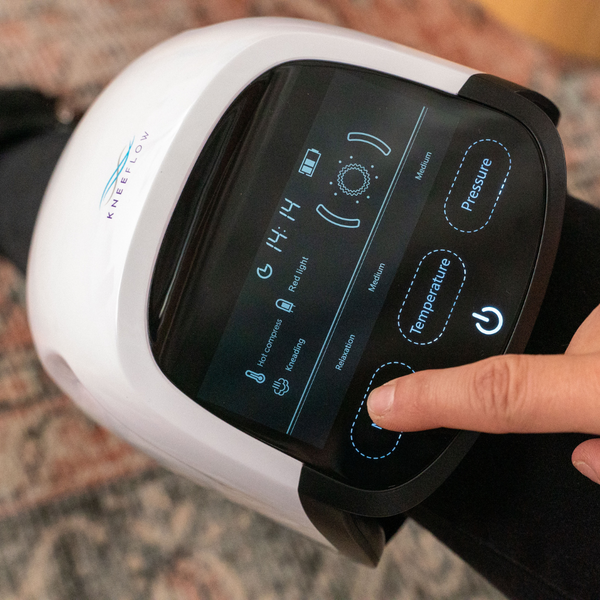
For those who want simple support that bridges heat and massage-based comfort, the Kneeflow heated knee massager reflects how Flow Knee approaches recovery for active bodies. The value is not in making extreme promises. It is in helping the knee feel easier to support before strain accumulates too far and after effort has already challenged the joint.
That kind of usability matters because athletic recovery is often won or lost in repetition. If the support feels easy to return to, it becomes more likely to stay in the athlete’s actual life, not just in their intentions.
When Better Knee Care Starts Protecting More Than the Joint
The effect of better knee care is not limited to the knee itself. Once discomfort starts affecting confidence, athletes change more than movement. They change pacing, trust, and decision-making. They hold back slightly in ways that may not be obvious from the outside but still change how performance feels internally.
That is why consistent knee support can have a wider impact than expected. It helps preserve not just comfort, but also confidence in movement. When the knee feels less tense and more manageable, athletes tend to move with less hesitation and recover with less background frustration.
If your training has reached the point where the knee needs more than good intentions, this is where a stronger support routine can start making a real difference. Flow Knee was built for people who want recovery to feel more practical and more repeatable.
When Knee Care Starts Feeling Like Part of Performance
The strongest athletic routines are usually not the most dramatic. They are the ones built around repeatable decisions that keep the body available for effort over time. Knee care belongs in that category. It matters because it helps athletes maintain a better relationship with load, recovery, and everyday movement.
Knee care for athletes becomes more valuable when it is understood as a protocol rather than an afterthought. Pre-workout support prepares the joint for demand. Post-workout support helps the body come back from that demand with less residual tension and discomfort. That rhythm creates a stronger foundation for performance than reactive care ever can.
If you want help figuring out how that kind of support fits your routine, you can contact our team and explore the next step in a way that feels grounded and useful.
At Flow Knee, we believe the best recovery tools are the ones athletes can actually live with. When support feels easy to return to, it becomes part of what keeps movement more confident, recovery more consistent, and performance more sustainable.
FAQ
Why is knee care important for athletes?
Knee care matters because repeated training load can build stress in the joint long before an obvious injury appears.
What should athletes do for their knees before a workout?
Pre-workout knee care should help the joint feel more prepared, less stiff, and more responsive before training begins.
What helps knees recover after training?
Post-workout recovery usually feels better when it reduces tension, supports comfort, and helps the knee settle after repeated load.
Can heat help athletes with knee tightness?
Heat can help the knee feel less stiff and more relaxed, especially when tension builds after hard training sessions.
Is knee care only necessary after pain starts?
No. Knee care is usually more effective when it begins before discomfort becomes a recurring problem.