
Chronic Knee Pain is one of those problems that can quietly take over your day without asking permission. It starts small for a lot of people. Maybe stiffness in the morning. A weird ache when getting up from a chair. A sharp little reminder while climbing stairs. Then, before you know it, the knee is calling the shots. You stop walking as much. You avoid workouts. Even simple things like squatting, kneeling, or standing too long start to feel annoying, then exhausting.
And honestly, that is the frustrating part. Knee pain does not always look dramatic from the outside. But it can wear you down over time.
The good news is this. Not every case of ongoing knee pain needs complicated intervention right away. A lot of people can reduce discomfort, stiffness, and swelling with smarter daily habits and supportive tools. That is where home-based support can make a real difference, especially when it is easy enough to use consistently.
Why Chronic Knee Pain Happens in the First Place
Knee pain that sticks around usually has a reason. Sometimes more than one, actually.
For some people, it is wear and tear from age, sports, work, or old injuries. For others, it is inflammation that keeps flaring up. The knee joint has cartilage, ligaments, tendons, soft tissue, and fluid-filled structures all working together. If one part gets irritated, the whole thing can feel off.
A few common causes of Chronic Knee Pain include:
- Knee arthritis treatment needs: Osteoarthritis is one of the biggest reasons people deal with long-term knee pain. Cartilage wears down, joints get stiff, and movement becomes uncomfortable.
- Patellofemoral pain syndrome: This is pain around or behind the kneecap, often worse with stairs, squats, or sitting too long.
- Meniscus irritation: The meniscus acts as a cushion in the knee. When irritated or torn, it can trigger pain, swelling, and catching sensations.
- Synovial inflammation: The lining around the joint can become inflamed, causing swelling, stiffness, and tenderness.
- Tendon strain or overuse: Runners, gym-goers, athletes, and even people with repetitive work movements get this a lot.
- Old injuries: A previous ACL, MCL, or meniscus issue can keep affecting the knee years later if the joint never fully stabilizes.
Sometimes people think, “It’s just age.” But that is not the full story. Age plays a role, sure. So do body mechanics, muscle weakness, recovery habits, footwear, excess load on the joints, and how much support the knee gets day to day.
The Difference Between Short-Term Soreness and Chronic Knee Pain
Not every ache is a major issue. After a hard workout, hike, or long day on your feet, some soreness can be normal. But Chronic Knee Pain is different. It hangs around. It comes back repeatedly. It may feel worse in the morning, after sitting, in cold weather, or after activity.
A few signs that the pain is becoming chronic:
- Pain lasts for weeks or months
- Stiffness keeps returning
- Swelling comes and goes often
- You avoid certain movements because you expect pain
- Recovery feels slower than it used to
- The knee feels weak, unstable, or “not right.”
That is when home support matters most. Because at that stage, you usually need more than random stretches once in a while. You need something repeatable.
Why Home Care Matters More Than People Think
A lot of knee problems get worse because people do nothing until the pain becomes too much. Then they overdo rest, or they try ten different things for three days each and quit when nothing changes fast enough.
That approach rarely works.
Better chronic knee pain management usually comes from doing a few helpful things regularly. The boring stuff, basically. Gentle movement. Warmth. Reducing inflammation. Supporting circulation. Giving the joint relief without overloading it. That is the kind of routine that helps over time.
Home care can be especially useful if your pain is linked to:
- knee osteoarthritis support
- stiffness after exercise
- recovery from old sports injuries
- discomfort from daily wear and tear
- mild to moderate inflammation
- general joint tightness and reduced mobility
This is also why devices designed for home use have gotten more attention lately. People want something practical. Not complicated. Not another machine they use once and forget in a drawer.

What Actually Helps With Chronic Knee Pain Relief at Home
There is no magic fix. A bit annoying, but true. Still, a combination approach works better than relying on one thing alone.
1. Gentle Heat
Heat is one of the simplest tools for chronic knee pain relief. It helps relax muscles around the joint, eases stiffness, and makes movement less unpleasant. This matters a lot in the morning or after long periods of sitting.
2. Massage Support
A gentle massage can help improve circulation and reduce that tight, compressed feeling around the knee. This is one reason knee massagers have become popular for people dealing with ongoing discomfort.
3. Infrared or Red Light Support
More people looking into chronic knee pain treatment at home are also exploring infrared-based devices. The appeal is pretty obvious. It is non-invasive, simple to use, and aimed at helping circulation and inflammation support around the joint.
4. Consistent Daily Sessions
Relief usually comes from repeated support, not one random session every other week. Even 10 to 15 minutes a day can feel more useful than doing too much once and then giving up.
5. Light Movement
Total rest is not always the answer. Too much inactivity can make knees stiffer. Gentle walking, easy mobility work, and controlled movement often support better function than complete shutdown mode.
Where a Knee Massager Fits Into Chronic Knee Pain Management
A decent knee massager is not there to replace medical care when you need it. But it can absolutely support comfort, recovery, and daily function at home.
And that matters because most people with knee pain are not sitting around waiting for a dramatic cure. They want to move better. Sleep better. Climb stairs without gritting their teeth. Get through the day without that constant dull ache.
That is why many people searching for the best arthritis medicine for knees also start looking at non-drug options. Medication may help some people, sure, but not everyone wants to lean on that alone. A home-use solution that supports physical relief can be a smart addition.
Why Kneeflow Stands Out
There are plenty of knee massagers out there, but a lot of them are basic. Some only heat. Some only vibrate. Some do not even fit well around the joint.
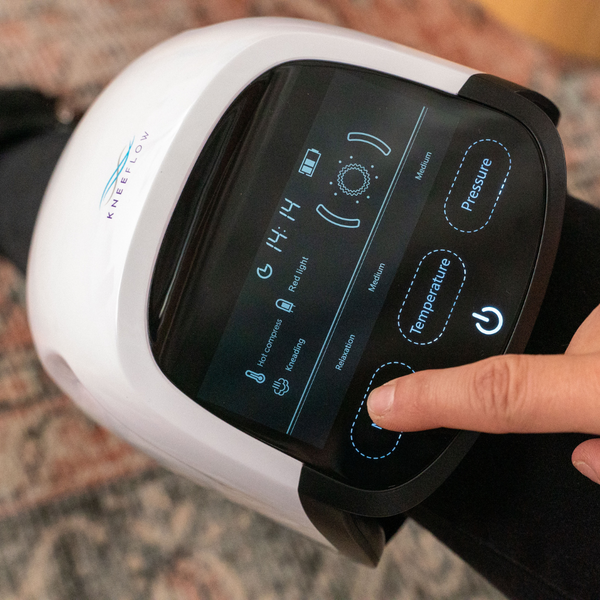
Kneeflow is different because it combines 3-in-1 therapy in one portable device. It uses infrared light, heat therapy, and soft airbag massage to support people dealing with Chronic Knee Pain, athletic recovery, stiffness, inflammation, and knee arthritis treatment routines at home.
That combination makes sense. Not a flashy marketing sense. Actual practical sense.
Here is what it brings together:
- Infrared light therapy to support circulation and help target inflammation around ligaments, tendons, cartilage, and joint tissue
- Heat therapy to relax stiffness and ease muscle tension
- Soft airbag massage for a gentle wrapping massage around the whole knee
The full-knee wrap matters more than people think. Pain does not always stay in one tiny point. Sometimes the front, sides, and surrounding tissue all feel tight. Whole-knee coverage is simply more useful.
Kneeflow is also built for home use in a way that feels realistic. It is lightweight, cordless, rechargeable, and designed around quick therapy sessions. You can customize your 15-minute session depending on what your knee needs that day. That part is important because some days you need lighter relief, and some days the knee feels like it has aged 20 years overnight.
If you want a home device built specifically for chronic knee pain relief, recovery, and daily support, take a look at Kneeflow.
Can a Knee Massager Help With Arthritis?
This question comes up constantly, and fair enough. People dealing with arthritis want something that helps without turning their routine upside down.
Knee arthritis often comes with stiffness, inflammation, reduced mobility, and aching that gets worse with weather, inactivity, or overuse. A knee massager machine for arthritis can help by supporting warmth, circulation, comfort, and easier movement. It is not a cure for arthritis. But relief and better function matter. A lot.
Kneeflow is designed for people dealing with inflammation caused by osteoarthritis, meniscus issues, tendon irritation, and recovery from injury. It also works for preventive care and for athletes who want better pre- or post-workout support.
So when people ask whether knee massagers are worth it, the better question is this: Does the device do enough to support the actual things your knee is struggling with? In Kneeflow’s case, the answer is yes. It targets pain support from more than one angle.
Who Can Benefit From Using Kneeflow?
Kneeflow is not just for one type of person. That is part of the appeal.
It may be useful for:
- people dealing with Chronic Knee Pain from daily wear and tear
- arthritis sufferers needing knee osteoarthritis support
- athletes recovering before or after training
- individuals managing inflammation or swelling
- those recovering from ACL, MCL, or meniscus-related issues
- people who want a portable, non-invasive support tool at home
- active adults trying to stay mobile for hiking, cycling, walking, or gym routines
And honestly, that last group is a big one. People are not always chasing peak performance. Sometimes they just want to keep doing normal things without planning their whole day around knee pain.
Final Thoughts
Chronic Knee Pain can come from arthritis, overuse, old injuries, inflammation, cartilage wear, or just years of loading the joint without enough recovery. It is common, but that does not make it harmless. Ongoing knee pain changes how you move, how active you stay, and how good you feel in your own body.
The good part is that support is possible at home. Smart daily habits, warmth, massage, movement, and targeted therapy can all help reduce discomfort and improve function over time. If you are looking for chronic knee pain relief that feels practical, portable, and easy to keep up with, Kneeflow makes a lot of sense.
Ready to support your knees with a smarter home-based solution?
FAQs
1. What causes Chronic Knee Pain in the first place?
Chronic Knee Pain can happen for a bunch of reasons, and sometimes it is not just one thing. It may come from osteoarthritis, Patellofemoral pain syndrome, Meniscus irritation, Synovial inflammation, tendon strain, or old sports injuries that never really settled down properly. Repetitive stress, poor movement patterns, extra body weight, weak leg muscles, and age-related wear can all add to the problem. When pain keeps returning for weeks or months, it usually means the knee needs proper support instead of being ignored.
2. What is the best way to start chronic knee pain treatment at home?
A good starting point for chronic knee pain treatment at home is keeping things simple and consistent. Use heat for stiffness, avoid movements that clearly flare the joint, stay lightly active, and add a support tool that helps with daily relief instead of depending on random quick fixes. Many people also benefit from a knee massager machine for arthritis or recovery because it gives targeted support without much effort. The main thing is not doing too much one day and nothing the next five days.
3. Can a knee massager really help with chronic knee pain relief?
Yes, a well-designed knee massager can support chronic knee pain relief, especially when the pain is linked to stiffness, mild inflammation, arthritis discomfort, post-workout soreness, or old knee strain. Heat, massage, and infrared support may help improve circulation, ease muscle tightness, and make the joint feel less rigid during the day. It is not some miracle cure, obviously, but it can be a genuinely useful part of chronic knee pain management. The better devices also make daily use easier, which matters more than people think.
4. Are knee massagers any good for arthritis pain?
They can be, especially for people dealing with knee arthritis treatment at home who want something non-invasive and easy to use. Arthritis often causes stiffness, swelling, and aching that gets worse after inactivity, and a supportive device can help loosen the area and improve comfort before movement. A lot depends on the features, though, because basic vibration alone may not do enough for some users. That is why people often look for knee massagers with heat, wraparound support, and additional therapy options.
5. Is vibration good for knee arthritis?
Vibration can help some people with knee arthritis because it stimulates the surrounding muscles and may reduce that tight, heavy feeling around the joint. It can also make the knee feel more awake and less stiff, especially before walking or doing simple daily activities. Still, vibration on its own is not always enough if the knee is dealing with deeper stiffness or ongoing inflammation. That is why many people prefer a device that combines massage with heat and infrared support rather than relying on just one feature.
6. What makes Kneeflow different from other knee massagers?
Kneeflow is designed as a 3-in-1 therapy device, which already makes it more useful than a lot of basic knee massagers on the market. It combines infrared light, heat therapy, and soft airbag massage, so it is not just warming the skin or vibrating the surface and calling it a day. It also wraps around the whole knee for better coverage and offers customizable settings for different comfort levels. That makes it a stronger option for chronic knee pain management, athletic recovery, and knee osteoarthritis support.
7. Can Kneeflow help with knee arthritis treatment and daily stiffness?
Kneeflow is built for people dealing with inflammation, stiffness, chronic pain, and recovery-related discomfort, so yes, it can fit well into a knee arthritis treatment routine at home. The heat helps relax the area, the massage supports comfort and movement, and the infrared light is aimed at helping circulation and inflammation support. Many people with arthritis struggle most with getting the joint moving, especially in the morning or after resting too long. A short and repeatable routine can make those rough parts of the day more manageable.
8. What if my knee pain comes from Meniscus irritation or Patellofemoral pain syndrome?
Pain from Meniscus irritation or Patellofemoral pain syndrome often feels different from classic arthritis, but home support can still help. These problems may involve strain, inflammation, tight surrounding muscles, and discomfort with stairs, bending, squatting, or long sitting periods. A device that adds warmth and a gentle massage can help the joint feel less restricted and may make daily movement easier. Of course, if the knee is locking, catching badly, or giving way often, that is a sign to get it checked properly.
9. How often should I use a knee massager machine for arthritis or chronic pain?
Most people do well with short, regular sessions rather than long, intense ones. Kneeflow is designed around a 15-minute therapy cycle, which is practical because it is long enough to feel useful but short enough that you will actually keep doing it. For chronic knee pain relief or knee arthritis treatment support, once or twice daily may fit well, depending on your comfort and routine. The big thing is consistency, because random use usually gives random results.
10. Is there a best arthritis medicine for knees, or should I focus on non-drug support?
There is no single best arthritis medicine for knees that works perfectly for everyone, which is why so many people end up combining approaches. Some rely on doctor-guided medication, some prefer topical support, and others want non-drug options because they do not like depending on pills long term. A supportive device like Kneeflow can fit into that plan by helping with warmth, circulation, massage, and comfort at home. It is not about choosing one side only, but about building a routine that your body actually responds to.
11. Can I use Kneeflow if I am active and not just dealing with age-related pain?
Yes, absolutely. Chronic Knee Pain does not only hit older adults with knee arthritis. Athletes, gym users, runners, hikers, and people doing physically demanding work often deal with inflammation, tendon strain, swelling, and recovery-related knee discomfort, too. Kneeflow is designed for both relief and preventive support, so it can be useful before training, after workouts, or during recovery after heavy activity. That makes it more versatile than a lot of products aimed only at one type of user.
12. Is home-based chronic knee pain management really enough for long-term support?
For many people, home-based chronic knee pain management can make a noticeable difference, especially when symptoms are mild to moderate, and the routine is realistic. It usually works best when you combine supportive therapy with smart movement, light strengthening, pacing, and not constantly overloading the joint. That said, home care is not meant to replace medical attention when pain is severe, worsening, or linked to major structural damage. Think of it as daily support that helps reduce flare-ups and improve function over time.