Knee pain does not usually show up out of nowhere. Most of the time, it builds slowly. A little stiffness in the morning. Mild swelling after walking too much. That dull ache when getting up from a chair. Then one day, it starts interfering with normal life. Stairs feel annoying. Long walks feel like work. Even sitting too long becomes a problem.
That is often how arthritis starts in the knee.
When people search for arthritis knee inflammation causes, they usually want one simple answer. But the truth is, there is not just one cause. Knee arthritis is more like a chain reaction. Cartilage wears down, the joint gets irritated, inflammation kicks in, movement changes, and things keep getting worse if nothing interrupts that cycle.
The knee is one of the hardest-working joints in the body. It carries your weight, absorbs impact, and takes a beating every single day. So when inflammation builds there, it matters. A lot.
What Actually Happens in Knee Arthritis?
In simple words, arthritis in the knee means the joint is not moving as smoothly as it should. In many cases, the cartilage that cushions the bones starts thinning or breaking down. Once that protective layer gets damaged, the joint becomes irritated. That irritation can lead to swelling, stiffness, pain, and reduced mobility.
This is why arthritis inflammation in the knee often feels worse after activity, after long rest, or during cold weather. The joint is already struggling, and inflammation makes it more sensitive.
Osteoarthritis is the most common type. It usually develops over time from wear, joint stress, age, past injuries, or mechanical imbalance. Other forms, like rheumatoid arthritis, are driven more by the immune system attacking the joint lining. Different cause, same result, really: inflamed, painful knees.
The Main Arthritis Knee Inflammation Causes
1. Cartilage Breakdown
This is the big one. Cartilage acts like a shock absorber between the bones. When it starts wearing away, the bones and joint surfaces do not glide properly anymore. That extra friction irritates the joint and triggers inflammation.
This is one of the most common knee osteoarthritis causes, especially in older adults. But age alone is not the whole story. Some people put heavy stress on their knees for years through work, sport, or weight-bearing activity, and it catches up with them.
2. Previous Knee Injuries
Old injuries matter more than people think. A torn meniscus, ligament damage, repeated sprains, or surgery can change how the knee moves. Even if the injury “healed,” the joint may never return to perfect alignment or function.
That uneven stress can slowly wear down tissue and create inflammation over time. So yes, that injury from years ago may still be part of the reason your knee hurts now.
3. Excess Body Weight
This one is blunt but true. More body weight means more pressure on the knees. Every step adds force through the joint. Over time, that constant load increases wear and makes inflammation more likely.
It is not just mechanical pressure either. Excess body fat may also contribute to low-grade inflammation in the body, which can make joint symptoms worse.
4. Joint Overuse
Some knees get overworked for years. Repetitive squatting, kneeling, climbing, lifting, running on hard surfaces, or sports with sudden turns can all put strain on the joint. That does not always mean arthritis will happen, but it can raise the risk.
This is one of the reasons active people sometimes develop symptoms earlier than expected. The joint has done a lot of work, and eventually it starts pushing back.
5. Poor Joint Alignment
If the knee is not tracking properly, pressure is not distributed evenly. Some areas of cartilage take more load than they should. That speeds up wear and increases inflammation.
Flat feet, hip weakness, muscle imbalance, bow-legged or knock-kneed alignment, and poor movement patterns can all play a role here. Small imbalances done thousands of times become a bigger problem.
How Inflammation Leads to Ongoing Knee Problems
A lot of people ask how inflammation leads to knee arthritis, and this part matters.
Inflammation is the body’s response to irritation or damage. In small amounts, it is part of healing. But when inflammation keeps hanging around, it starts doing more harm than good. The joint lining becomes irritated. Swelling may increase. Stiffness gets worse. Muscles around the knee tighten or weaken. Then, movement changes, and that puts even more stress on the joint.
So inflammation does not just come after arthritis. It can also help drive the cycle forward.
That is why managing inflammation early matters. Waiting until the pain gets severe usually makes the process harder to deal with.
Symptoms That Often Point to Inflammatory Knee Arthritis
You may be dealing with knee arthritis-related inflammation if you notice:
- swelling around the joint
- stiffness after sitting or waking up
- pain during walking or climbing stairs
- warmth or tenderness around the knee
- clicking, grinding, or reduced range of motion
- pain that flares after activity
Some people also notice their knee feels weak, unstable, or just “off.” Not dramatic maybe, but not normal either.

What May Help Calm an Inflamed Arthritic Knee?
There is no one magic fix. Usually, relief comes from combining a few things that reduce strain and support circulation, comfort, and movement.
That may include gentle mobility work, weight management, supportive exercise, heat, red light support, massage, or guided recovery tools. For people who want something practical at home, a massager for arthritic knees can be useful, especially when stiffness and soreness show up daily.
A good knee massager machine for arthritis is not there to replace medical care. But it may help support comfort, improve circulation, relax the area, and make movement feel a bit easier. That matters when your knee feels locked up, especially in the morning or after a long day.
A Smarter At-Home Option for Daily Knee Support
When knee inflammation keeps coming back, consistency matters more than random fixes. That is where Kneeflow fits in.
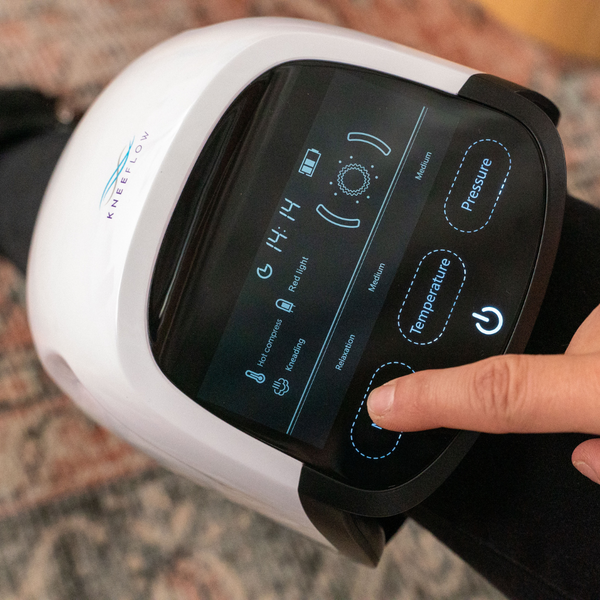
Kneeflow is designed as a home-based 3-in-1 knee therapy device that combines infrared light, heat therapy, and soft airbag massage. The goal is simple: help support circulation, reduce stiffness, and make the knee feel more comfortable in less than 15 minutes a session. It is portable, adjustable, and built for people dealing with chronic knee discomfort, arthritis-related inflammation, workout recovery, and general joint stiffness.
If you have been looking for a massager for arthritic knees that is easy to use at home, Kneeflow gives you a more targeted option than just hoping a heating pad does enough.
Why This Matters More in Winter
Cold weather has a way of making knee stiffness feel worse. A lot of people already know this from experience. When temperatures drop, joints can feel tighter, less flexible, and more uncomfortable. That does not create arthritis by itself, but it can make symptoms feel more intense.
That is why warming therapies, gentle massage, and better circulation support become even more useful during colder months.
Final Thoughts
Knee arthritis happens for a mix of reasons, not just one. Cartilage breakdown, past injuries, overuse, excess weight, poor alignment, and ongoing inflammation all feed into the problem. And once inflammation settles into the joint, it can keep the cycle going.
Understanding the real arthritis knee inflammation causes helps you make better choices earlier. That might mean changing how you move, taking recovery more seriously, or using supportive tools at home before the knee gets worse.
If daily stiffness, swelling, or pain is starting to wear you down, look into a recovery option that supports comfort and consistency. Kneeflow is built for exactly that.
Explore Kneeflow and take a step toward better knee comfort today.
FAQs
1. What are the most common causes of knee arthritis inflammation causes?
The most common arthritis knee inflammation causes include cartilage wear, previous knee injuries, excess body weight, overuse, poor joint alignment, and age-related degeneration. In some cases, autoimmune conditions can also trigger inflammation in the knee joint. The reason symptoms build slowly is that inflammation and joint stress often develop over time. That is why many people do not notice the problem until stiffness and pain start affecting daily movement.
2. What does arthritis inflammation in the knee usually feel like?
Arthritis inflammation in the knee usually feels like swelling, stiffness, soreness, and discomfort during movement. Some people describe it as a dull ache, while others feel heat, tightness, or a grinding sensation when bending the knee. It often feels worse in the morning, after sitting too long, or after physical activity. The knee may also feel heavy or harder to trust while walking, which can be frustrating in everyday life.
3. What are the main causes of knee osteoarthritis that people should know about?
The main knee osteoarthritis causes include cartilage breakdown from long-term wear, aging, old sports or work injuries, weak muscles around the knee, and uneven pressure on the joint. Being overweight can also increase the load on the knee and speed up joint damage. Osteoarthritis does not always come from one big event. Quite often, it develops from years of repeated strain and small changes in joint function.
4. How does inflammation lead to knee arthritis over time?
If you are wondering how inflammation leads to knee arthritis, the answer is that inflammation can damage joint tissues when it becomes ongoing instead of temporary. It irritates the joint lining, increases swelling, and can make movement less efficient. That changed movement puts more stress on the knee, which can worsen cartilage wear over time. Basically, chronic inflammation helps keep the whole problem going instead of letting the joint settle down.
5. Can a massager for arthritic knees really help with daily discomfort?
A massager for arthritic knees may help support daily comfort by improving circulation, easing stiffness, and relaxing the area around the joint. It will not cure arthritis, obviously, but it can be a useful part of a home routine. Many people use it to feel looser before an activity or more relaxed after a long day. The right device can make those rough, tight-kneed moments more manageable.
6. Is a knee massager machine for arthritis better than using just a heating pad?
A knee massager machine for arthritis can offer more than a basic heating pad because it may combine heat with massage and sometimes infrared support. That gives the knee more targeted relief, especially if stiffness and swelling are regular problems. A heating pad can still help, but it does one job. A device built for knee therapy usually supports comfort in a more focused and structured way, which some people find easier to stick with.
7. Why does knee arthritis often feel worse in winter?
Cold weather can make muscles tighten, and joints feel stiffer, which is why many people say their knees hurt more in winter. The cold does not directly create arthritis, but it can make existing symptoms feel sharper and more annoying. Reduced activity during colder months can add to that stiffness too. That is why warming therapies and gentle movement often become more useful during this season.
8. Can old sports injuries cause arthritis in the knee later on?
Yes, old injuries can absolutely contribute to arthritis later. A torn meniscus, ligament damage, repeated impact, or a knee that never fully recovered can change how the joint handles pressure. Even years later, that altered movement may increase wear and inflammation. A lot of people are surprised by this, but previous damage is one of the more overlooked reasons knee arthritis shows up earlier than expected.
9. Is walking good or bad when you have knee arthritis inflammation?
Walking is usually helpful in moderation because movement supports circulation, joint function, and muscle strength. But the key is doing the right amount. Too much walking on a painful, inflamed knee can make symptoms flare, while too little movement may increase stiffness. It often comes down to pacing, good footwear, surface choice, and listening to how the joint responds instead of forcing through pain every time.
10. How can heat and massage support arthritic knee relief at home?
Heat helps relax tight tissues and may improve blood flow around the knee, while massage can reduce the feeling of stiffness and encourage comfort. Together, they can make the joint feel less locked up, especially after rest or during colder weather. This is why home devices that combine both features are getting popular. They give people a simple way to manage discomfort without needing a full treatment setup every day.
11. Who may benefit most from Kneeflow knee therapy support?
Kneeflow may be helpful for people dealing with arthritis-related knee discomfort, chronic stiffness, general inflammation, workout recovery, or soreness after long days on their feet. It may also suit those who want a portable at-home routine instead of relying only on occasional treatments. Because it combines heat, infrared light, and massage, it offers a more rounded support approach. That can be useful when knee pain is stubborn and keeps coming back.
12. How often can someone use a knee therapy device for arthritic knees?
That depends on the device instructions and the user’s comfort level, but many people prefer short, regular sessions instead of overdoing it. With a device like Kneeflow, the therapy is built around a quick 15-minute cycle, which makes it easier to fit into daily life. Consistency tends to matter more than intensity. Gentle, repeated support usually works better than doing too much once and then stopping for days.
13. When should knee pain be checked by a medical professional?
You should get knee pain checked if there is major swelling, severe pain that does not improve, inability to bear weight, locking of the joint, redness, fever, or worsening symptoms over time. Ongoing pain should not just be ignored and “managed” forever. Home support tools can help with comfort, yes, but persistent or severe symptoms need proper evaluation. That is especially true if the pain started after a fall or injury.