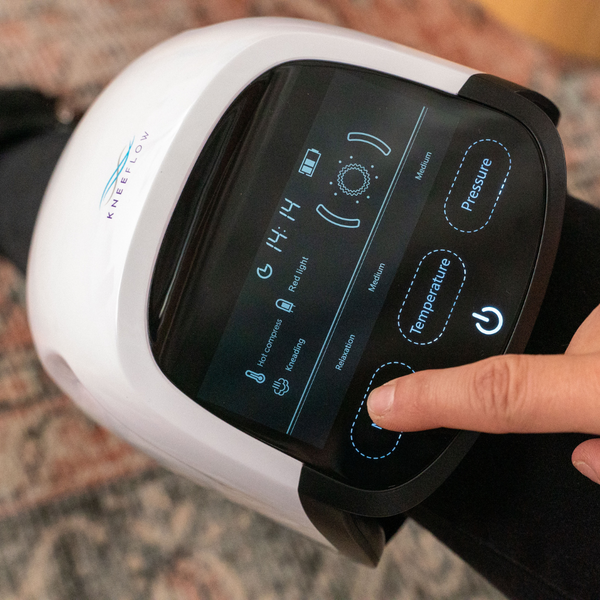

Knee inflammation rarely starts as a big, obvious problem. Most of the time, it shows up quietly. A little stiffness in the morning. A dull ache after a long walk. Slight swelling that fades and then returns. These early signs are easy to ignore, especially when life stays busy. But once people start searching for solutions like a knee joint massager, it’s often because the discomfort has stopped being occasional and started interfering with daily routines. At Kneeflow Massager, we’ve learned that the earlier knee inflammation is noticed, the easier it is to manage and prevent from getting worse.
Inflammation is the body’s warning system. It’s how your knee tells you something isn’t right, whether that’s overuse, strain, joint wear, or underlying conditions. Ignoring those early signals doesn’t make them disappear. It just gives them time to grow louder. Understanding what causes knee inflammation and how to spot it early puts control back in your hands and helps you make smarter decisions about care, movement, and recovery.
Before pain becomes constant, many people notice:
- Tightness when standing up after sitting
- Mild swelling that comes and goes
- Discomfort after climbing stairs
- A warm sensation around the knee
- Reduced flexibility without sharp pain
These signs matter more than most people think.
How Do You Identify the Causes of Knee Inflammation Early?
Knee inflammation doesn’t have a single cause. It develops for different reasons depending on how your body moves, ages, and responds to stress. Identifying the cause early helps prevent long-term joint problems and unnecessary strain.
Overuse and Repetitive Movement
One of the most common causes of knee inflammation is simple overuse. Repeating the same movements over and over can irritate the joint, especially if muscles around the knee aren’t balanced or properly supported.
This often affects:
- Runners and walkers
- People with physically demanding jobs
- Anyone standing for long periods
- Individuals returning to exercise too quickly
Overuse inflammation builds slowly. At first, the knee feels tired, then stiff. Eventually, it starts swelling or aching. Catching this early allows you to adjust activity levels and introduce supportive recovery tools before damage sets in.
Muscle Imbalance and Joint Stress
When muscles around the knee don’t work together properly, the joint absorbs extra pressure. Tight quads, weak hamstrings, or limited hip mobility all shift stress directly onto the knee.
People often mistake this for a knee-only problem, but the source may actually be above or below the joint. Addressing muscle balance early helps reduce inflammation before it becomes chronic.
This is where supportive recovery methods, like controlled movement and circulation support, often help reduce ongoing strain.
Minor Injuries That Go Untreated
Not all injuries cause immediate pain. A small twist, slip, or awkward movement can inflame the knee without dramatic symptoms. Many people continue normal activity, assuming the discomfort will pass.
Early signs of injury-related inflammation include:
- Localized tenderness
- Swelling on one side of the knee
- Discomfort when bending or kneeling
- A feeling of instability
Ignoring these signs increases the risk of long-term inflammation or joint degeneration.

Early Joint Wear and Tear
Inflammation is often the first signal of early joint wear. This doesn’t mean severe arthritis. It means the joint is starting to react to everyday stress differently than before.
When people begin noticing stiffness after rest or soreness after light activity, that’s often the body’s way of asking for better joint care. Tools that encourage circulation and gentle movement can help manage this stage effectively.
This is also when many people begin exploring recovery tools beyond rest, including supportive devices designed to ease joint stress.
Lifestyle Factors That Increase Inflammation
Inflammation isn’t always mechanical. Lifestyle factors play a role, too.
These include:
- Excess body weight increases joint pressure
- Poor circulation
- Lack of movement during the day
- Inadequate recovery after activity
When these factors combine, inflammation builds faster and lasts longer. Early awareness allows for small changes that make a big difference.
Why Early Action Matters?
Inflammation that goes unchecked doesn’t stay mild. Over time, it leads to reduced mobility, ongoing discomfort, and limitations that affect daily life.
Recognizing symptoms early allows you to:
- Adjust activity levels
- Support recovery before pain escalates
- Reduce strain on surrounding joints
- Maintain long-term mobility
Many people introduce recovery support at this stage, including consistent use of a knee joint massager, to encourage circulation and comfort while addressing daily joint stress.
How Supportive Recovery Tools Fit Into Early Care?
Early inflammation doesn’t always require aggressive treatment. Often, it benefits most from consistent, supportive care that reduces stress and promotes circulation.
Supportive recovery tools help by:
- Encouraging blood flow
- Reducing stiffness after rest
- Supporting relaxation around the joint
- Helping the knee recover between activities
When used consistently, these tools help manage inflammation before it becomes a limiting issue.
Many people incorporate recovery into their daily routine, especially during early signs, instead of waiting until pain becomes severe.
Listening to Your Body Before Pain Takes Over
Most knee problems don’t start with sharp pain. They begin quietly, with signals that are easy to dismiss if you’re not paying attention. A little stiffness after sitting too long. A knee that feels tight when you wake up. Slight discomfort that fades once you start moving. These signs are your body’s early warning system, and they show up long before inflammation becomes disruptive.
When we ignore these signals, we usually do it unintentionally. Life stays busy, and the knee still works, so we push through. The problem is that inflammation doesn’t disappear just because it’s ignored. It builds slowly in the background, and by the time pain demands attention, the joint has already been under stress for a while.
The Difference Between Normal Soreness and Inflammation
Not every ache means something is wrong, but inflammation has patterns. Normal soreness improves with light movement and rest. Inflammation tends to linger, return frequently, or feel worse after everyday activities that used to feel easy.
Some common differences include:
-
Soreness fades within a day or two, and inflammation often repeats
-
Soreness feels general, inflammation feels localized
-
Inflammation may come with warmth or swelling
- Discomfort increases after routine movements, not just workouts
Learning to notice these patterns helps you respond earlier instead of waiting for pain to force a reaction.
How Small Adjustments Protect Long-Term Mobility?
Responding early doesn’t require drastic changes. In fact, small adjustments are often the most effective. Slowing down repetitive movements, adding intentional recovery time, or supporting circulation around the joint can reduce inflammation before it escalates.
When people take action early, they often maintain better mobility, avoid chronic stiffness, and feel more confident in daily movement. Early care helps the knee recover instead of constantly playing catch-up.
Building Awareness Into Daily Life
Listening to your body isn’t about overanalyzing every sensation. It’s about awareness. Paying attention to how your knees feel after long days, physical activity, or extended periods of sitting gives you useful information.
Ask simple questions:
-
Does stiffness last longer than it used to
-
Does swelling return after certain activities
-
Do both knees feel the same, or is one changing
- Does discomfort affect how you move without realizing it
These answers guide smarter decisions around rest, movement, and support.
Taking Action Before Pain Becomes the Trigger
Pain should never be the first reason you act. By the time pain takes over, inflammation has already progressed. Early awareness allows you to support your knees proactively, keeping comfort and mobility part of your routine rather than something you chase after problems appear.
At Kneeflow Massager, we believe long-term knee health starts with listening early, responding consistently, and giving your joints the care they need before discomfort turns into limitation.
Relieve Knee Pain Naturally with the Kneeflow Massager
If you’ve started noticing stiffness, swelling, or recurring discomfort, this is the right moment to support your knees before inflammation becomes a daily issue. A knee massager can be part of a simple, consistent recovery routine that encourages circulation and comfort.
To make it even easier to start, Kneeflow Massager is currently offering a Christmas sale with 30% off, giving you the opportunity to invest in knee support at a better value while supplies last.
Before it's too late, visit our website and start caring for your knee.
Frequently Asked Questions
What causes sudden inflammation in the knee?
Sudden inflammation can come from overuse, strain, or minor injury, and the Kneeflow Massager helps support circulation during recovery.
How to know if you have knee inflammation?
Swelling, stiffness, and warmth are common signs, and the Kneeflow Massager supports daily comfort when these appear.
How do I stop inflammation in my knees?
Reducing strain, improving movement, and using a Kneeflow Massager can help manage inflammation early.
What are the first signs of knee arthritis?
Morning stiffness and recurring soreness may appear first, and the Kneeflow Massager helps ease joint tension.
What sleeping position is best for knee pain?
Sleeping with knee support helps alignment, and the Kneeflow Massager supports comfort before rest.